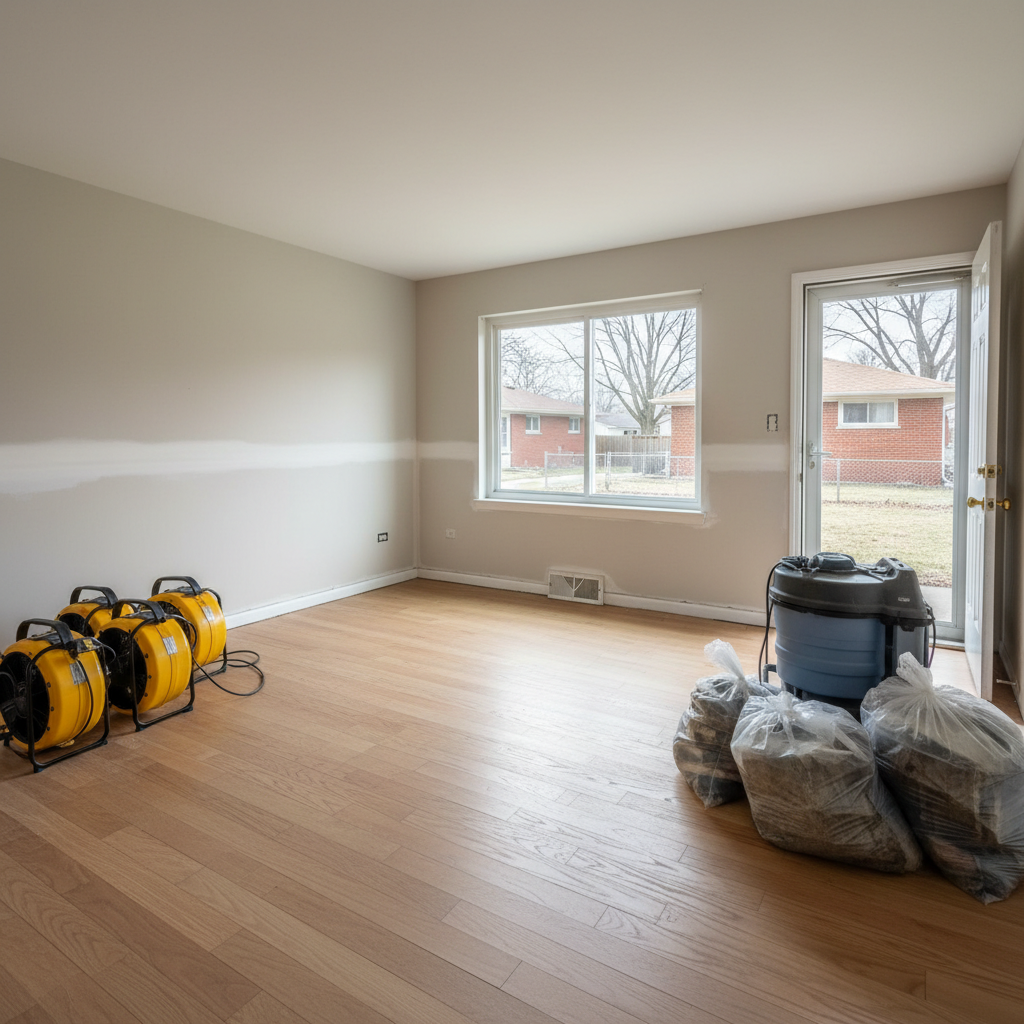
So, you've got water damage. Maybe a pipe burst, your basement flooded after a heavy spring rain, or that old washing machine finally gave up for good. Whatever the cause, once the standing water is gone, the real work begins: structural drying. This isn't just about mopping up a bit; it's about getting all the hidden moisture out of your walls, floors, and framing before mold sets in or your house starts falling apart. And naturally, you're wondering what this is going to cost you.
Look, I've been doing this for a long time here in Bellwood, and I've seen it all. There's no single price tag for structural drying because every situation is different, right? But I can give you a clear breakdown of what factors into the cost, what you should expect in a quote, and how to make sure you're getting a fair deal.
What Drives the Cost of Structural Drying?
When we talk about structural drying, we're talking about specialized equipment and expertise. It's not just about throwing a few fans around, believe me. Here's what really makes the price go up or down:
- The Scope of the Damage: This is the big one. How much of your home is affected? Is it just one room, or did water spread through multiple levels? A small bedroom with a wet carpet is a lot less work than a flooded basement that soaked into drywall, insulation, and wooden studs.
- Category of Water: Water isn't just water. Clean water from a supply line break (Category 1) is easier and safer to deal with than gray water from an overflowing dishwasher (Category 2), or worse, black water from sewage (Category 3). The nastier the water, the more extensive the cleaning, sanitizing, and often, demolition required before drying can even begin. This directly impacts labor and material costs.
- Materials Affected: Different materials hold moisture differently and dry at different rates. Carpet and pad are usually easier to dry or remove than hardwood floors that might need to be tented and slowly dehumidified. Plaster walls, common in some of the older homes near Bellwood's Proviso West High School, can be tricky compared to modern drywall. If insulation gets soaked, it often needs to come out and be replaced, which adds to the expense.
- Equipment Needed & Time on Site: We use industrial-grade dehumidifiers, air movers (fans), air scrubbers, and specialized heaters. The more equipment needed and the longer it has to run, the higher the cost. A typical drying job might take 3-5 days, but severe cases can go for a week or more. Each piece of equipment has a daily rental or usage fee, you see.
- Demolition and Removal: Sometimes, materials are just too far gone to save, or they're holding too much moisture to dry efficiently. Think saturated drywall, warped flooring, or contaminated insulation. Removing these materials is part of the job and adds to the labor and disposal costs.
Typical Cost Ranges You Might See
Alright, let's get to some numbers. Again, these are ranges, and your specific situation will dictate where you fall. These figures are for the drying process itself, not necessarily the full repair and rebuild.
- Small, Contained Area (e.g., a burst pipe under a sink, affecting a few square feet of cabinet and floor): You might be looking at $1,000 to $3,000. This usually involves a few air movers, a small dehumidifier, and a couple of days of monitoring.
- Medium-Sized Area (e.g., a flooded bathroom or a section of a basement, affecting carpet, drywall, and subfloor): This could be anywhere from $3,000 to $7,000. This involves more equipment, possibly some removal of affected materials, and longer drying times.
- Large-Scale Damage (e.g., a fully flooded basement, multiple rooms affected, or significant structural saturation): For these bigger jobs, costs can easily jump to $7,000, $15,000, or even more, especially if specialized drying techniques are required or if there's extensive demolition and waste removal.
Remember, these numbers are for the drying. If you need new drywall, flooring, or cabinets, that's a separate cost, though often handled by the same restoration company.
What Should a Structural Drying Quote Include?
When you get a quote from Coastal Restoration, or any reputable company, it should be detailed. Don't accept a handshake and a vague number. Here's what a good quote covers:
- Assessment and Inspection: This includes using moisture meters and thermal imaging to identify all affected areas, even those you can't see.
- Water Extraction: If there's any standing water, this is the first step.
- Demolition and Removal: A clear breakdown of what materials will be removed (e.g.,