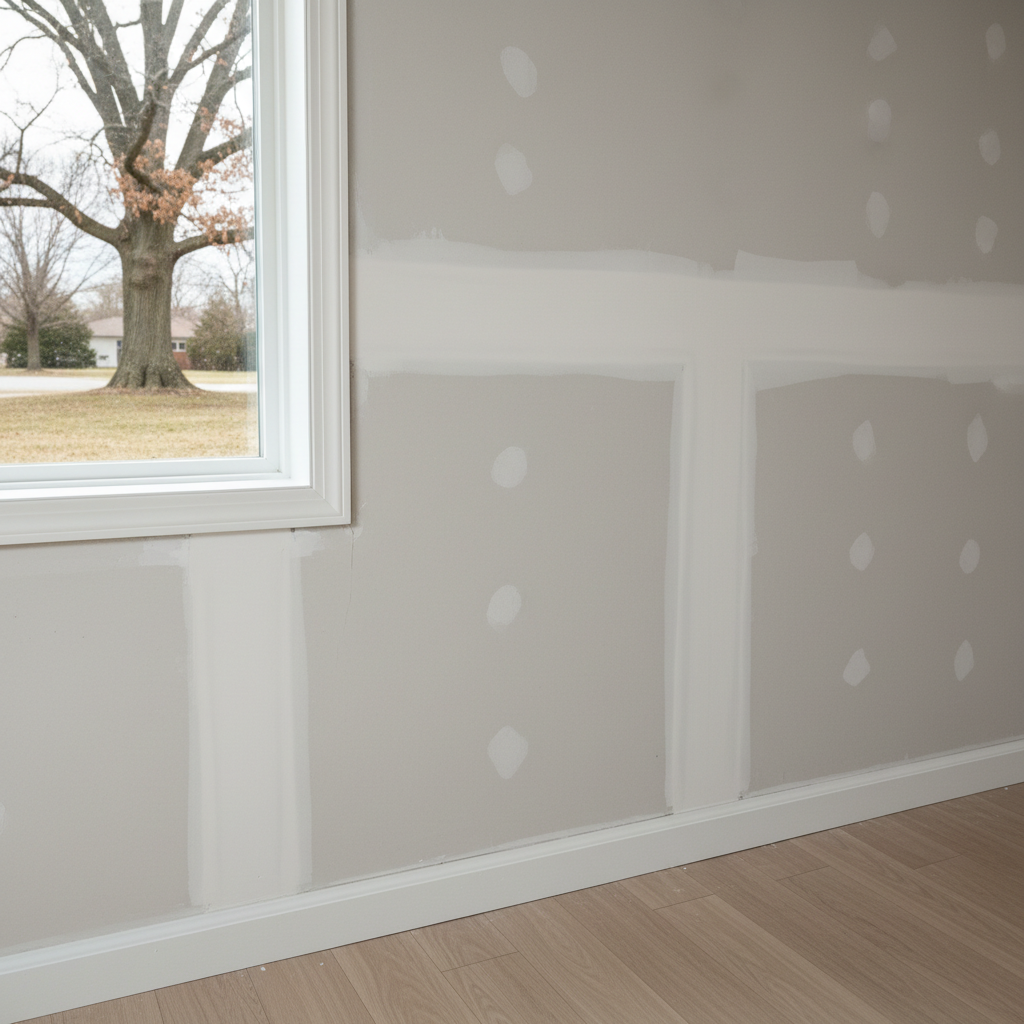
What exactly is mold, and why is it bad for my home?
Alright, let's cut right to it. Mold isn't some alien invader; it's just a type of fungus, a totally natural part of our environment. You've got mold spores floating around everywhere, all the time, even inside your house right now. The real trouble starts when those spores land on a damp surface, find some food – which, honestly, is pretty much any organic material like wood, drywall, insulation, or even just dust – and decide to set up shop and grow. That's when you see it, smell it, and that's when it becomes a real headache.
Why is it bad? Well, for starters, it eats away at your house. Mold breaks down organic materials, meaning it can literally destroy your drywall, rot your wood, and degrade your insulation over time. Beyond the structural damage, it's a health concern, too. Mold produces allergens, irritants, and sometimes even toxic substances called mycotoxins. For some folks, especially those with allergies, asthma, or a weakened immune system, being around mold can trigger respiratory issues, skin irritation, headaches, and a whole host of other symptoms. Even for healthy people, prolonged exposure isn't good. So, yeah, it's bad news all around, isn't it?
How can I tell if I have mold, even if I don't see it?
You don't always need to see mold to know it's there. The most common giveaway, even before you spot any discoloration, is the smell. Mold has a distinct, musty, earthy odor – kind of like old, wet leaves or a damp basement. If you walk into a room and get that smell, especially if it's stronger in one area, chances are you've got mold growing somewhere. It might be behind drywall, under flooring, or in a crawl space. Another sign is persistent dampness or water stains on walls or ceilings that just don't seem to dry out completely. Sometimes, you might even feel symptoms like a stuffy nose, coughing, or itchy eyes when you're in a particular part of your home, and those symptoms clear up when you leave. That's a big red flag.
Can I just clean mold myself with bleach?
This is a big one, and I hear it all the time. The short answer is: probably not effectively, and sometimes you can even make things worse. Look, bleach is a strong disinfectant, no doubt about it. It might kill surface mold on non-porous materials like tile or glass. But for porous materials – your drywall, wood studs, insulation, carpet – bleach doesn't penetrate deeply enough to kill the mold's roots. It'll often just bleach the color out of the mold, making it invisible, but the mold itself is still there, ready to grow back. Plus, bleach is mostly water, and adding more moisture to a mold problem is the last thing you want to do. It can actually feed the mold deeper into the material.
True mold remediation isn't just about killing the surface stuff. It's about containing the area, safely removing the contaminated materials, cleaning and treating the affected surfaces, and, most importantly, fixing the moisture source that caused the mold in the first place. For anything more than a tiny patch on a hard surface, you really need to call in the pros. We've got the right equipment, containment strategies, and expertise to get rid of it properly without spreading spores or missing hidden growth.
What's the process for professional mold remediation?
When you call Coastal Restoration for mold, we don't just show up with a spray bottle. It's a structured process to make sure we get it all and keep your family safe. Here's the general rundown:
- Inspection and Assessment: First, we figure out where the mold is, how extensive it is, and what's causing the moisture. Sometimes we use thermal cameras or moisture meters to find hidden issues.
- Containment: This is crucial. We set up physical barriers, often with plastic sheeting and negative air pressure machines, to prevent mold spores from spreading to other parts of your home while we're working. We don't want to turn a small problem into a whole-house issue.
- Air Filtration: We use HEPA air scrubbers and vacuums to capture airborne mold spores and clean the air in the work area.
- Removal of Contaminated Materials: This is where the real work happens. We carefully remove and bag all mold-damaged porous materials like drywall, insulation, carpeting, and wood that can't be cleaned. We're talking about cutting out sections of wall, pulling up flooring – whatever it takes to get rid of the mold's food source.
- Cleaning and Disinfection: Non-porous surfaces and remaining structural elements get a thorough cleaning with antimicrobial solutions, then we HEPA vacuum them.
- Drying: We make sure everything is completely dry using industrial-strength dehumidifiers and air movers. No moisture left behind means no mold coming back.
- Prevention: We'll often apply an antimicrobial coating to prevent future growth, especially in areas prone to dampness.
- Post-Remediation Verification: Sometimes, especially for larger jobs or if there are health concerns, we recommend third-party testing to confirm that the mold levels are back to normal, healthy levels.
How long does mold remediation usually take?
That's like asking how long it takes to fix a car – depends on the car and what's wrong with it, right? Mold remediation is similar. A small, contained area, say a patch under a sink, might only take a day or two of actual work once we're on site. But if you've got mold spread throughout a basement after a flood, or hidden deep within walls across multiple rooms, that's a much bigger job. We're talking several days, sometimes even a week or more, for the removal, cleaning, and drying phases. Plus, you've got to factor in the time for the initial assessment and any potential drying before we can even start the removal. We always aim to work as efficiently as possible without cutting corners, because getting it done right the first time saves you headaches and money down the road.
Will my homeowner's insurance cover mold remediation?
This is a tricky one, and the answer is: it depends. Most standard homeowner's insurance policies cover mold damage if it's a direct result of a sudden and accidental covered peril, like a burst pipe or a storm that causes water damage. For example, if your hot water heater busts in your Bellwood home's utility closet and causes mold, that's usually covered. However, if the mold is due to long-term neglect, like a slow leak you knew about but didn't fix, or chronic high humidity in your basement, then it's typically not covered. Many policies also have specific exclusions or limits for mold, so it's really important to read your policy carefully or, better yet, call your insurance agent directly to understand your coverage. We can help you document the damage for your claim, but we can't tell you what your specific policy will cover.
What can I do to prevent mold from coming back after remediation?
Prevention is key, plain and simple. Once we've remediated the mold, it's up to you to keep it from returning. The number one rule is to control moisture. Fix any leaks immediately – don't let a leaky faucet or a dripping pipe go. Make sure your gutters are clean and directing water away from your foundation, especially with the heavy rains we get around here sometimes. Use exhaust fans in bathrooms and kitchens to vent moisture outside. Consider a dehumidifier in damp areas like basements or crawl spaces, especially during humid summer months. Keep your home well-ventilated, and if you have areas that are prone to condensation, address them. Good air circulation helps a lot. If you've had a flood or a major water event, make sure everything is dried out completely and quickly – within 24-48 hours is the golden rule to prevent mold growth. Stay vigilant, and you'll keep your home mold-free.