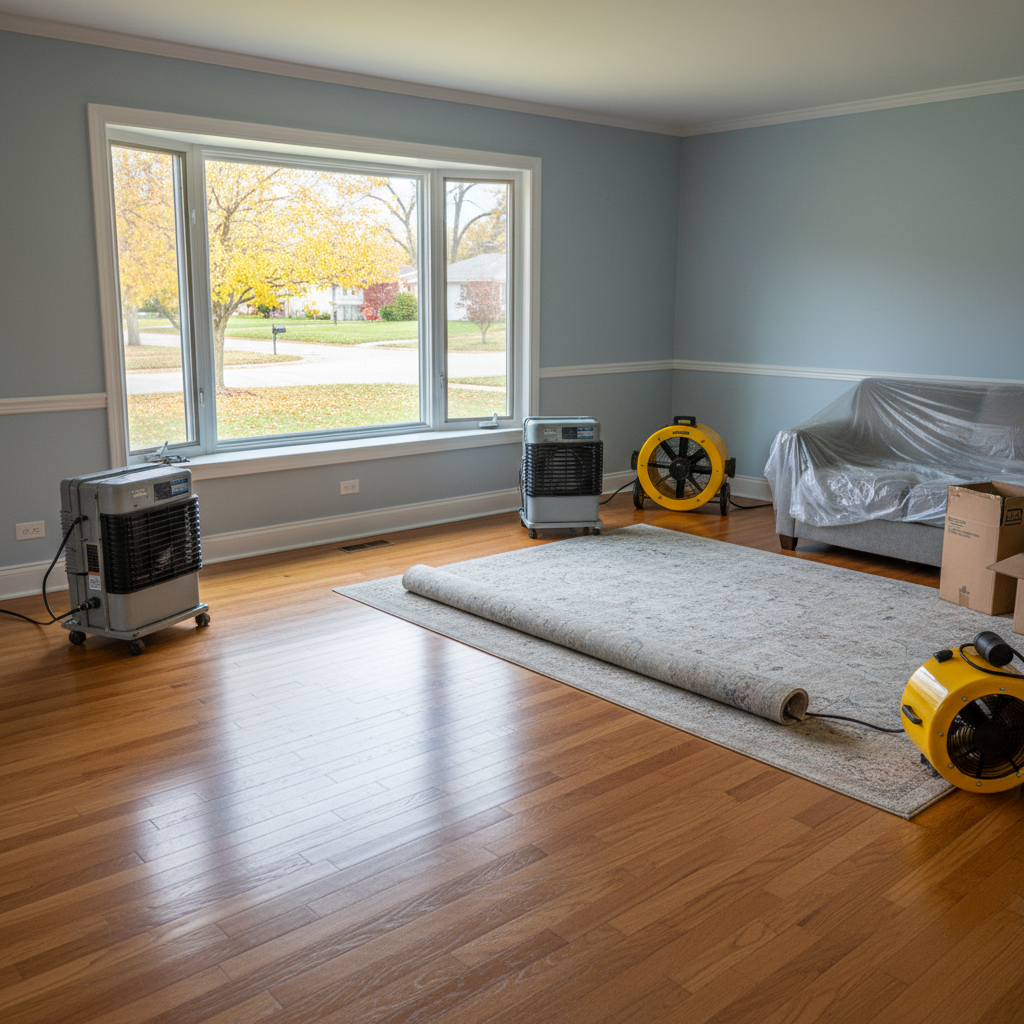
You've had water damage. It's a mess, I know. But once the water's out, the real work begins: drying out your home properly. This isn't just about getting rid of puddles; it's about structural drying, and in Bellwood, our seasons play a huge role in how that goes down.
Why Timing Your Drying Matters
When we talk about structural drying, we're talking about getting the moisture out of everything – your drywall, your subfloors, the framing, insulation. If you don't get it all, you're looking at mold, rot, and bigger headaches down the road. The best time to dry isn't always when the water hits; it's about understanding the conditions that help us do the best job.
Generally, faster is better, no doubt. But the external environment can be your friend or your enemy. For instance, if you have a basement flood in the middle of a humid August, we're fighting against the outdoor air trying to push more moisture into your home as we try to pull it out. Conversely, a dry, cold winter day, while uncomfortable for us working, can actually help pull moisture out of the structure more efficiently, provided we're managing the indoor environment correctly.
You can't always pick when a pipe bursts or the sump pump fails, but knowing these factors helps you understand why we do what we do. It's not just throwing a few fans in there; it's a science.
Bellwood Weather and Your Drying Process
Our weather here in Bellwood is a rollercoaster, right? We get those brutal, humid summers and then bone-dry, freezing winters. Each season presents its own challenges and opportunities for structural drying.
- Summer (June-August): This is probably the toughest time for drying. The air is thick with humidity. When we open doors to bring in equipment or vent air, we're letting in more moisture. We have to work harder with dehumidifiers to counteract that. We might even need to seal off affected areas more aggressively to prevent the humid outdoor air from slowing things down. If you've got water damage in the summer, expect us to be running a lot of equipment to battle that outdoor humidity.
- Fall (September-November): This can be a sweet spot. We often get those crisp, dry days with lower humidity. This is ideal for pulling moisture out of your home. The air outside is working with us, not against us. We can sometimes use less energy on dehumidifiers because the natural environment is helping to wick moisture away.
- Winter (December-February): It's cold, but often dry. The air outside holds less moisture, which is good. However, we're also dealing with frozen pipes and ice dams, which are common causes of water damage around here. We have to be careful about ventilation, making sure we're not freezing your pipes while trying to dry out a wall. We'll use heaters to maintain optimal drying temperatures inside, even if it's below zero outside.
- Spring (March-May): This is a mixed bag. We get a lot of rain, snowmelt, and fluctuating temperatures. Humidity can swing wildly. Just like summer, we're often fighting against higher outdoor moisture levels, especially after a big rainstorm. Foundation issues are common this time of year too, with all the ground saturation, so we see a lot of basement water damage.
What this means for you is that the drying timeline can vary. A small leak in October might dry faster than the same leak in July, simply because of the ambient humidity.
Protecting Your Investment Year-Round
You've spent good money on your home, and fixing water damage is an investment in its future. Here's how you can protect it, no matter the season:
- Regular Maintenance: This is a no-brainer. Check your gutters and downspouts, especially before fall and spring. Make sure they're clear and directing water away from your foundation. I can't tell you how many Bellwood homes in the older parts of town, with their mature trees, get water issues because of clogged gutters.
- Sump Pump Checks: If you have a basement, test your sump pump regularly. Pour a bucket of water into the pit to make sure it kicks on. Consider a battery backup, especially with our unpredictable power outages.
- Insulate Pipes: Before winter hits, insulate any exposed pipes in unheated areas like crawl spaces or attics. This is cheap insurance against burst pipes.
- Monitor Humidity: Get a hygrometer for your basement or crawl space. If you see consistently high humidity (above 60%), it's a red flag for potential moisture issues.
- Know Your Home: Pay attention to any musty smells, discoloration on walls or ceilings, or sudden spikes in your water bill. These are all signs something's wrong.
When you call Coastal Restoration, we're not just showing up with fans. We're assessing the situation, considering the season, and using our experience to get your home dried out right. We're here to help you navigate these challenges and make sure your home stays safe and dry, all year long.