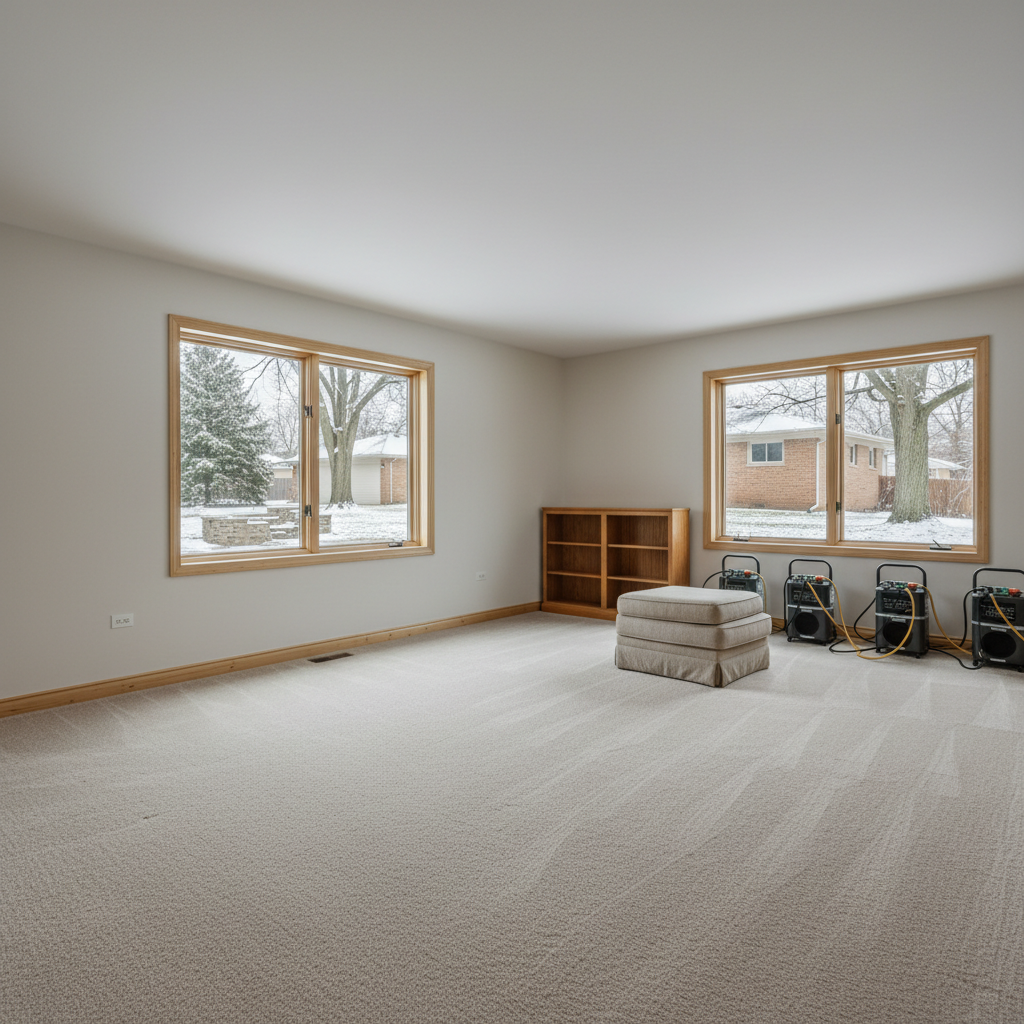
Living in Bellwood, you already know our weather is anything but predictable. From those bitter winter freezes to the sudden summer downpours, your home really takes a beating. When it comes to water damage, understanding our local climate isn't just smart; it's absolutely essential for protecting your biggest investment.
Winter: The Sneaky Danger
Winter's probably the most dangerous time for water damage around here, even if it doesn't always feel that way. We get those deep freezes, sometimes for weeks on end, and that's when pipes just love to burst. You might not even know it's happened until things start to thaw, and by then? You've got a real mess on your hands.
So, when should you schedule restoration work if you find damage in winter? Right away. Don't wait for spring. Colder temperatures can actually slow down the drying process if your house isn't properly heated, and you definitely don't want standing water freezing and expanding inside your walls or under your floors. That just makes everything worse, doesn't it? We've seen it happen in some of the older homes near Proviso West – pipes in uninsulated attics or crawl spaces are just asking for trouble.
Protecting your home means making sure your pipes are insulated, especially in those colder spots. Keep your thermostat set to at least 55 degrees, even if you're away for a bit. And if you're leaving for an extended period, consider shutting off your main water supply and draining your lines. It's a small hassle, but it could save you thousands.
Spring: Thaw, Rain, and Sump Pump Headaches
Ah, spring. The snow melts, the ground thaws, and then the rains start. This is prime time for basement flooding. Our soil here in Bellwood, especially in some of the areas with clay-heavy ground, just doesn't drain as fast as you'd like. That means all that water has nowhere to go but into your foundation or through any cracks it can find.
Your sump pump is your first line of defense in spring. You really need to test it regularly – pour a bucket of water into the pit to make sure it kicks on. If it doesn't? Get it fixed or replaced pronto. A battery backup is also a really smart investment. We see so many power outages during spring storms, and a dead sump pump during a downpour is just a recipe for disaster.
If you do get water in your basement, the spring weather can actually help with drying, but it also brings higher humidity. That's a perfect breeding ground for mold if you don't get the water out and dry everything properly and quickly. Don't just open windows and hope for the best; you need professional equipment to truly pull the moisture out of the air and materials.
Summer: Storms and Stickiness
Summer in Bellwood means heat, humidity, and often, violent thunderstorms. These storms bring heavy rain and sometimes hail, which can damage roofs and siding, leading to leaks. High winds can also knock down trees or branches, causing structural damage that lets water right in.
After a big summer storm, it's a good idea to do a quick check of your roof, gutters, and downspouts. Make sure your gutters are clear of debris so water can flow away from your foundation. If you suspect a leak, don't put off calling someone. Even a small leak can turn into a big problem, especially with the high humidity we get. That moisture will soak into drywall, insulation, and wood, and before you know it, you've got mold starting.
For any restoration work, summer's generally a good time because we can use the warmer, drier air to help with ventilation. But you still need professional dehumidification to get things truly dry. You don't want to rely on just opening windows when it's 90% humidity outside, do you?
Fall: Getting Ready for What's Next
Fall is your last chance to really button things up before winter hits. This is when you should be doing your annual maintenance checks:
- Clean your gutters thoroughly.
- Inspect your roof for any loose or missing shingles.
- Check your foundation for cracks and seal them.
- Make sure your downspouts are extended at least 5-10 feet away from your foundation.
- Disconnect and drain outdoor hoses and shut off exterior spigots to prevent freezing.
If you've had any minor water issues throughout the year, fall is the time to address them before they become major winter problems. Don't ignore that small stain on the ceiling or that musty smell in the basement. It's usually a sign of something bigger brewing.
No matter the season, if you're dealing with water damage, time is always of the essence. The quicker you act, the less damage you'll have, and the less it'll cost to fix. We're Coastal Restoration, and we're here in Bellwood to help you with whatever Mother Nature throws our way, year-round.