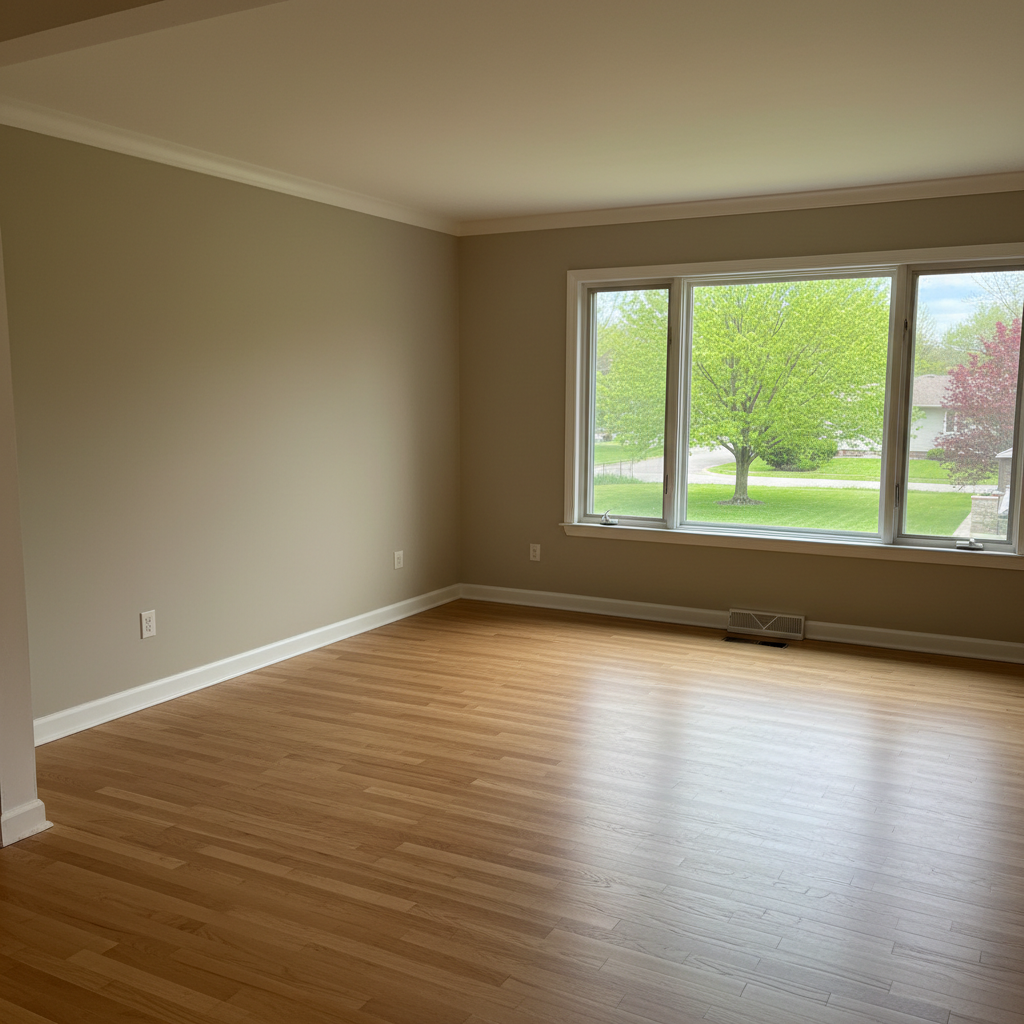
So, you've dealt with water damage. Maybe it was a burst pipe, a leaky roof, or one of those heavy spring rains we get around here that overwhelmed your sump pump. Whatever it was, the remediation work is done, and your home is back to normal. But here's the thing: that's not the end of the story. You've invested time and money in getting things fixed right, and you want that work to last. You don't want to be calling me back in a year for the same problem.
Extending the life of water damage remediation isn't some secret formula; it's mostly common sense and a bit of vigilance. Think of it like taking care of your car after a major repair. You wouldn't just drive it hard and forget about it, would you? Same goes for your home.
Regular Maintenance: Your Best Defense
The biggest thing you can do to protect your home after water damage remediation is to keep up with regular maintenance. This isn't groundbreaking news, I know, but it's often overlooked. For starters, check your gutters and downspouts. Make sure they're clear of leaves and debris, especially after a storm. If they're clogged, water can spill over and pool around your foundation, which is exactly what we don't want, particularly with the clay soil common in Bellwood that doesn't drain well.
Inside, keep an eye on your plumbing. Even if the original issue wasn't plumbing related, a small drip under a sink or behind a toilet can turn into a big problem fast. Periodically check the hoses on your washing machine, dishwasher, and refrigerator's ice maker. Those rubber hoses don't last forever, and replacing them with braided stainless steel ones is a cheap insurance policy.
If you had basement water damage, make sure your sump pump is working. Test it every few months by pouring a bucket of water into the pit. If it doesn't kick on, you've got a problem. And seriously, consider a battery backup for your sump pump. We've all been through those summer storms where the power goes out, and that's exactly when you need your pump the most.
Spotting the Warning Signs
Knowing what to look for can save you a lot of headaches and money down the road. After remediation, you should be extra sensitive to certain things. Here are some red flags:
- Musty Odors: If you start smelling a damp, earthy, or musty smell, especially in an area that was previously affected, that's a big warning sign. It means moisture is present where it shouldn't be, and mold might be starting to grow again.
- Discoloration or Stains: Keep an eye out for new water spots, yellowing, or brown stains on ceilings, walls, or floors. Even faint ones. If you see them, it means water is getting in somewhere.
- Peeling Paint or Wallpaper: Moisture can cause paint to bubble or peel, and wallpaper to lift away from the wall. This is a clear indicator of dampness.
- Warping or Swelling: Wood floors, baseboards, or drywall that start to warp, buckle, or swell are definitely absorbing moisture.
- Increased Humidity: If a specific area of your home feels unusually humid or damp, even with your HVAC running, it could be a sign of hidden moisture.
- Dripping Sounds: Sometimes you can hear a drip or a trickle inside a wall or ceiling that you can't see. Don't ignore it.
When to Call a Professional
Look, I'm all for homeowners doing what they can to maintain their property. But there are times when you just need to bring in someone who does this for a living. If you see any of those warning signs, especially after remediation work has been done, don't hesitate. It's better to be safe than sorry. A small leak caught early is a much easier fix than a full-blown mold infestation or structural damage.
If you're unsure about the source of a new leak, or if you suspect mold growth, that's definitely a time to call us at Coastal Restoration. We've got the tools and the experience to find the problem, assess the damage, and fix it right. We're not just about fixing the immediate issue; we're about making sure your home stays dry and healthy for the long haul. Don't wait until it's a crisis. A quick call can save you a lot of hassle and expense.