Alright, let's talk about water damage. It's one of those things no one wants to deal with, but when it happens, you need straight answers, fast. Over the years, working right here in Bellwood, I've heard pretty much every question under the sun about water cleanup. So, I figured, why not put together a rundown of the most common ones? This isn't some fancy marketing spiel; it's just me, giving you the real deal based on what I've seen and what works.
How quickly do I need to act after water damage?
You need to act yesterday. Seriously, time is your enemy here. Within 24-48 hours, mold can start to grow. That's not just a little fuzzy patch; it can be a serious health hazard and a much bigger, more expensive problem to fix. The sooner you get the water out and start drying things up, the better your chances of preventing secondary damage like mold, structural issues, and ruined belongings. Don't wait. If you're looking at a flooded basement after a big storm, or a burst pipe, call someone immediately. Even a small leak can become a big problem if left unchecked.
Can I just dry it out myself with fans and dehumidifiers?
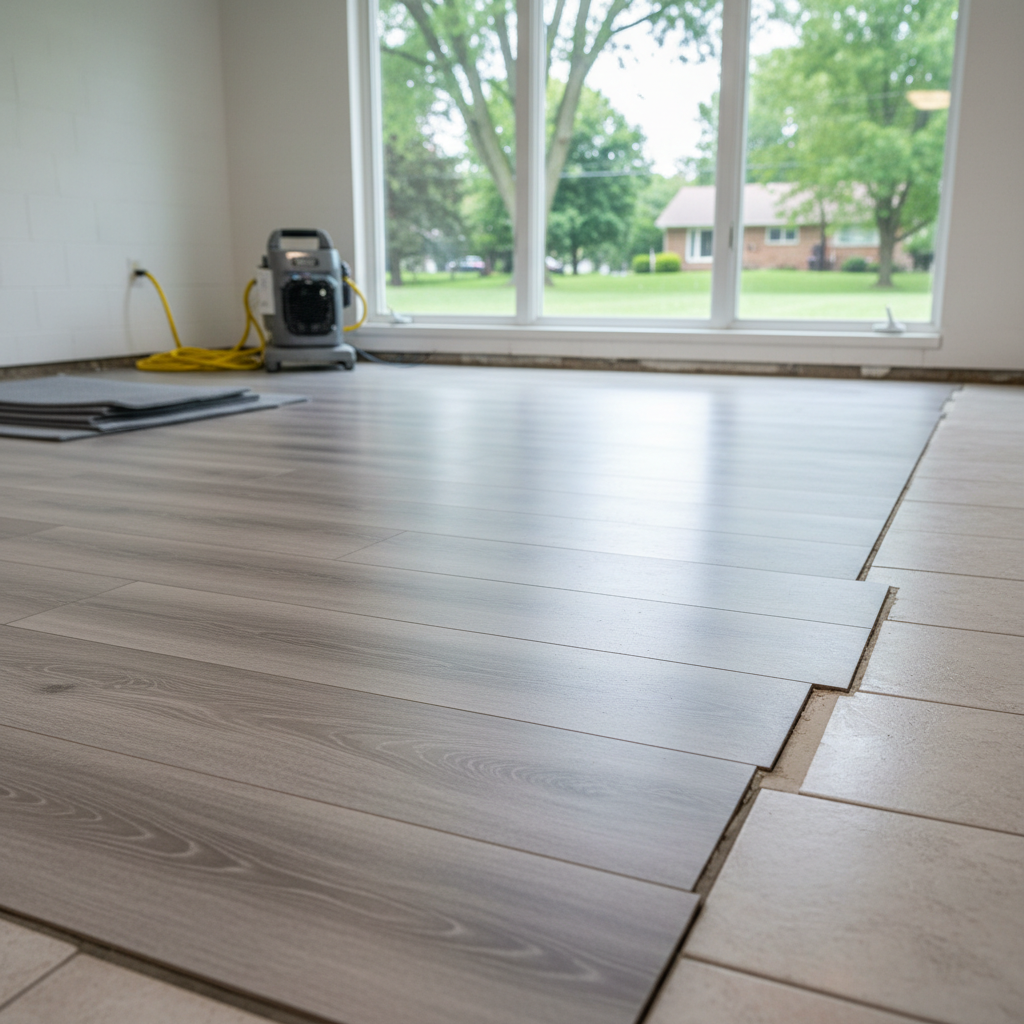
For a tiny spill, maybe. But for anything more than a small, contained mess, probably not. Here's why: water gets everywhere. It seeps into subflooring, behind baseboards, inside wall cavities, and under cabinets. Your regular box fan isn't going to cut it. Professional equipment, like industrial-strength dehumidifiers and air movers, is designed to create specific airflow patterns and pull moisture out of materials that feel dry to the touch but are still saturated. If you don't dry it out completely, you're just inviting mold and rot. I've seen folks in the older homes near Bellwood Avenue try to DIY a significant basement flood, only to call us weeks later when the smell became unbearable and black mold was creeping up the walls. It's always more costly to fix a botched DIY job.
What about my furniture and belongings? Can they be saved?
It depends on a few things: the type of item, how long it was exposed to water, and the type of water. Clean water (like from a burst supply line) gives you a better chance than gray water (like from a washing machine overflow) or black water (sewage – that's a definite no-go for most porous items). Porous items like upholstered furniture, mattresses, and some rugs are tough to save, especially if they've been soaked for more than a day or two, because they can harbor bacteria and mold deep inside. Non-porous items, like metal, plastic, or solid wood, have a better chance if they're cleaned and dried quickly. We always try to salvage what we can, but safety and preventing future issues come first. Sometimes, it's just not worth the risk.
Will my insurance cover water damage cleanup?
Most likely, yes, if it's sudden and accidental. Think burst pipes, overflowing appliances, or storm damage where water comes in through the roof. What's usually NOT covered is damage from neglect or maintenance issues, like a leaky roof you knew about for months, or groundwater seepage into your basement (that's typically a separate flood insurance policy). Every policy is different, so the best thing to do is call your insurance agent as soon as the damage occurs. They can tell you exactly what your policy covers and what steps to take. We at Coastal Restoration work with insurance companies all the time, so we can help you navigate that process too.
How do you prevent mold after water damage?
The key to preventing mold is thorough drying and sanitization. Once the standing water is removed, we use specialized equipment to dry out the affected area completely. This isn't just about making things feel dry; it's about getting the moisture content of materials down to safe levels. We also apply antimicrobial treatments to surfaces to kill any existing mold spores and prevent new growth. Proper ventilation during the drying process is crucial. If we're talking about a significant amount of water, we might even need to remove and replace drywall or insulation that's been saturated, because those materials are breeding grounds for mold if not dried perfectly.
What's the difference between clean water, gray water, and black water?
This is a really important distinction because it dictates how we approach the cleanup and what can be salvaged. Clean water comes from a sanitary source, like a broken water pipe, an overflowing sink, or rainwater. It's generally safe to handle, but can still cause damage and lead to mold if not dried quickly. Gray water is contaminated and can cause illness if ingested. Think washing machine overflow, dishwasher discharge, or toilet overflows that don't contain fecal matter. It contains chemicals and biological contaminants. Black water is highly contaminated and contains pathogenic agents. This is sewage, river overflow, or standing water that's been around for a while and picked up contaminants. Black water is a serious health risk, and anything it touches that's porous usually needs to be removed and discarded. You never want to try cleaning up black water yourself.
Do I need to leave my home during the cleanup?
It really depends on the extent and type of damage. If it's a small, contained area with clean water, you might be able to stay. However, if it's extensive, involves black water, or requires significant demolition and drying equipment, it's often safer and more comfortable to relocate temporarily. The noise from the drying equipment can be pretty loud, and the air quality might be compromised, especially if mold remediation is involved. We'll always discuss this with you upfront, prioritizing your family's safety and well-being. Sometimes, staying put just isn't practical or healthy.
How long does the whole cleanup process take?
There's no single answer here, as every situation is unique. A small, clean water incident might take a few days for drying. A large-scale flood with significant structural damage and mold remediation could take weeks, or even months, especially if reconstruction is involved. Factors like the size of the affected area, the type of water, the materials involved, and how quickly we can get started all play a role. We'll give you an estimated timeline after our initial assessment. Our goal is always to get your home back to normal, or even better, as efficiently and thoroughly as possible.