Nobody wants to deal with water damage, right? But when it hits, getting your place dried out quickly and correctly becomes the absolute top priority. You've probably heard the term 'structural drying,' but what does it actually cost? And how do you make sure you're not getting taken for a ride?
I've been in this business for years here in Bellwood, and trust me, I've seen it all. From a burst pipe in a finished basement near the Eisenhower, to a leaky roof in an older two-flat – you name it. So, let's talk about some real numbers and what you really need to know about structural drying expenses.
What Makes Structural Drying Costs Go Up or Down?
When you get a quote for structural drying, it's never just a flat fee. A few big things really push the price one way or the other:
- How Much Water? This one's pretty obvious, isn't it? A small toilet overflow is a completely different ballgame than several inches of standing water covering your entire first floor. More water means we need more equipment, more time, and more people on the job.
- What Type of Water? Clean water (Category 1, say, from a burst pipe) is less expensive to handle than gray water (Category 2, like from a washing machine overflow). And then there's black water (Category 3, raw sewage) – that's the priciest. The dirtier the water, the more safety precautions we have to take, the more specialized cleaning is needed, and often, we end up needing to tear out more stuff.
- How Long Has It Been Wet? Time is truly your enemy when it comes to water damage. The longer materials sit wet, the more water they soak up, and the higher the chance of mold. If you call us fast, we can usually save more of your stuff. But if it's been sitting for days, we might have to rip out more wet drywall, flooring, or insulation, and that definitely adds to the bill.
- What Materials Are Wet? Different materials hold water in different ways. Carpet and its padding soak it up incredibly fast. Drywall? That's practically a sponge. Hardwood floors can warp and cup pretty badly. And concrete takes a good while to dry out. Each material needs specific drying methods and equipment. For instance, drying hardwood floors requires special mats and much more precise monitoring than just drying out some drywall.
- Accessibility & Scope: Is the water in an easy-to-reach basement? Or is it trapped behind walls and under cabinets? Getting to those wet areas can sometimes mean demolition, which, of course, adds to both labor and material costs.
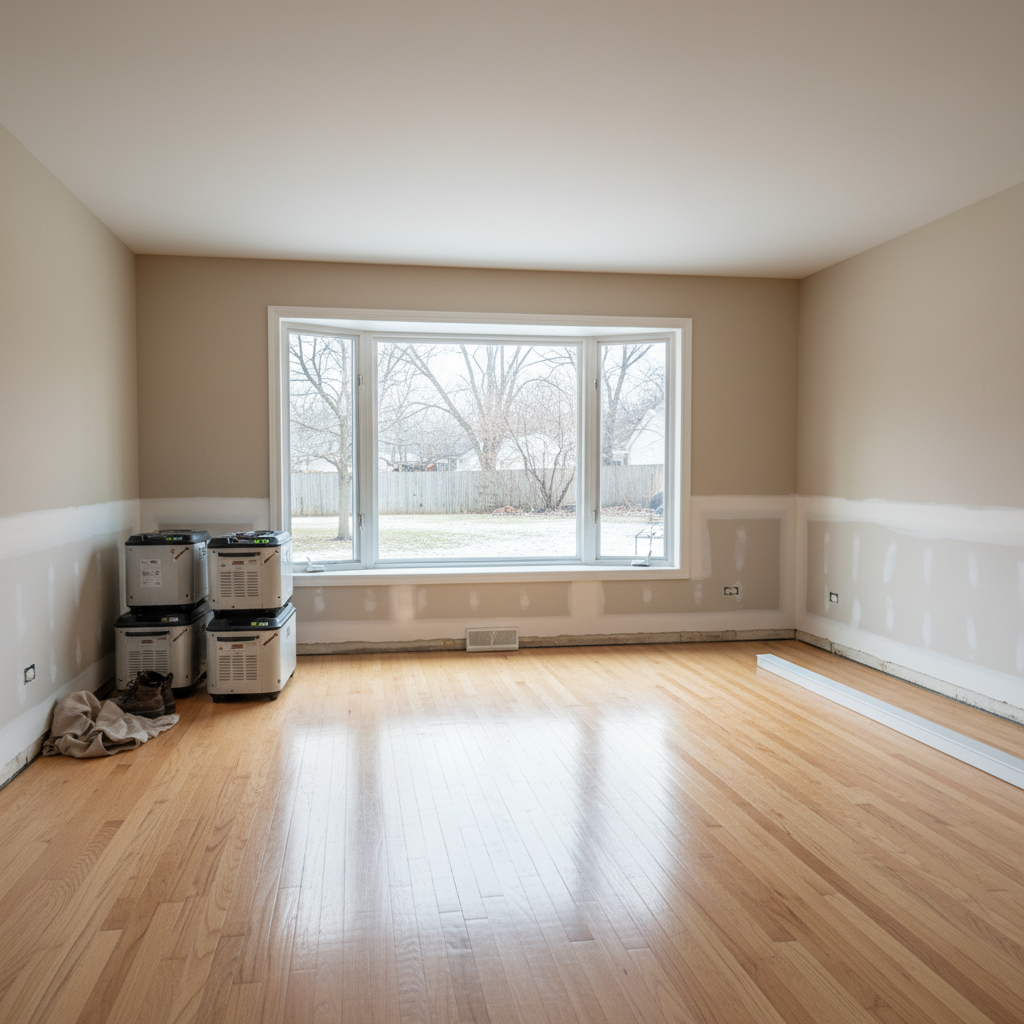
- Equipment Needed: We use all sorts of gear – dehumidifiers, air movers (you know, those big fans), air scrubbers, plus specialized drying equipment for things like hardwood floors or inside wall cavities. The number and type of machines we need, and how long they have to run, directly impact what you'll pay.
Typical Cost Ranges for Structural Drying in Bellwood
Okay, let's get down to some actual numbers. Remember, these are just ranges, and every single job is unique. These prices cover the drying process itself; they don't include any demolition, repairs, or mold remediation that might be necessary.
- Small, Clean Water Loss (e.g., small overflow, quick response): For a small spot, maybe a bathroom or just a corner of a room, you're probably looking at $1,500 to $3,500. This usually means a few air movers, one or two dehumidifiers, and us checking in for a few days.
- Medium Water Loss (e.g., burst pipe affecting a room or two, clean water): This could be anywhere from $3,500 to $7,500. Here, we're talking more equipment, possibly drying out wall cavities, and a longer drying period – maybe 3 to 5 days.
- Large or Contaminated Water Loss (e.g., basement flood, sewage backup, extensive areas): These jobs can easily run from $7,500 up to $15,000+. This involves a lot of equipment, specialized cleaning for contaminated water, likely demolition of affected materials, and much longer drying times, often a week or more.
Just a reminder: these numbers are only for the drying. If we have to tear out wet drywall, pull up flooring, or deal with mold, that's an extra cost.
What's Included in a Structural Drying Quote?
When Coastal Restoration gives you a quote, here's what you should expect to see:
- Initial Assessment: We'll come out, check the damage, figure out where the water came from, and map all the affected areas using moisture meters and thermal cameras. This really helps us understand the full scope of the problem.
- Water Extraction: Getting rid of any standing water with powerful vacuums or pumps. This is always step one.
- Equipment Setup: We place air movers, dehumidifiers, air scrubbers, and any specialty drying equipment. We calculate exactly how much equipment is needed based on the square footage and how saturated everything is.
- Monitoring & Adjustments: We don't just set our gear and forget it. We'll come back daily, or every other day, to check moisture levels, empty dehumidifiers, and tweak the equipment as needed to make sure everything's drying as efficiently as possible.
- Final Verification: Once our meters show everything is dry, we'll do one last check to confirm your property is back to normal moisture levels.
- Documentation: Detailed records, photos, and moisture readings are all part of the package, which is super important if you're filing an insurance claim.
How to Avoid Overpaying for Structural Drying
Nobody wants to shell out more money than they have to. Here’s how you can keep costs down and still get a fair deal:
- Act Fast: This is probably the biggest piece of advice. The quicker you call us after water damage, the less damage will happen, and the less expensive the drying process will be. Seriously, every hour counts.
- Get Multiple Quotes: Don't just go with the first company you call, unless you've worked with them before and trust them completely. Try to get at least two, preferably three, detailed quotes. Just make sure you're comparing apples to apples.
- Understand the Quote: Don't be shy about asking questions! What equipment are they planning to use? How long do they think the drying will take? What's their monitoring schedule going to be? A good, reputable company will be totally upfront with you.
- Check Credentials: Make sure the company has IICRC certification (that's the Institute of Inspection, Cleaning and Restoration Certification). This means they've got the right training and follow industry standards. We are, of course, certified.
- Know Your Insurance: If you're filing a claim, really understand your policy. What's covered? What's your deductible? We can certainly help you figure this out, but knowing your policy ahead of time gives you a huge leg up.
- Don't Rush the Drying: A really cheap quote might mean they're cutting corners or pulling equipment out too soon. Under-drying can easily lead to mold and bigger problems down the road, costing you more in the long run. Make sure they're using proper moisture meters and following established drying protocols.
Dealing with water damage is stressful enough as it is. By understanding these costs and knowing what to look for, you can make sure your Bellwood home gets dried out properly and fairly. If you've got water, give Coastal Restoration a call. We're here to help, after all.