So, your Bellwood home’s taken on some water. It’s a real gut punch, I know. You're probably standing there, looking at the mess, wondering what the heck to do first. The good news is, depending on the extent of the damage, you can actually handle some of the initial steps yourself. But there's a clear line where you absolutely need to bring in a professional. Let's break down what you need to know before, during, and after a flood restoration project.
Before the Project Even Begins: Your First Moves
The moment you discover water, your first priority is safety. Seriously. Turn off your power if there's any chance water has reached electrical outlets or appliances. Don't wade into standing water if you're not sure it's safe. Gas leaks are another big one – if you smell gas, get out and call the gas company immediately. Once it's safe, your next step is to stop the water source. A burst pipe? Turn off the main water supply. Overflowing toilet? Shut off the valve behind it. If it's heavy rain and your sump pump failed, you've got a different problem, but the principle is the same: stop the flow.
Next, document everything. I can't stress this enough. Take pictures and videos of the damage before you touch a thing. This is crucial for your insurance claim. Get wide shots, close-ups, everything. Make a list of damaged items. This isn't just about getting reimbursed; it helps you mentally process the scope of the work ahead.
Now, about calling your insurance company. Do it early. They'll guide you on your policy specifics and what's covered. Don't wait until you've already started cleaning up. They might want to send an adjuster out, and you want them to see the damage as it was.
During the Restoration: What You Can Do (and What You Shouldn't)
Alright, you've stopped the water, documented the scene, and called your insurance. Time to get to work. Here's where you can roll up your sleeves:
- Remove Standing Water: If it's just a few inches and it's clean water (like from a burst pipe, not sewage), you can start bailing it out with buckets, using a wet/dry vac, or even renting a pump for larger areas. The faster you get the water out, the less damage it'll do.
- Move Furniture and Belongings: Get anything salvageable out of the wet area. If furniture is too heavy, put aluminum foil or wood blocks under the legs to prevent further staining and moisture wicking. Books, electronics, clothes – get them to a dry, well-ventilated spot.
- Start Drying: Open windows and doors if the outside air is drier than inside. Bring in fans, dehumidifiers, anything you've got to get air circulating. This is a race against mold. The faster you dry things out, the better your chances of preventing serious mold growth.
- Remove Saturated Materials (Carefully): If drywall is soaked more than a foot or two up from the floor, you might need to cut it out. Same goes for wet insulation. Carpeting and padding that's been soaked, especially with dirty water, usually needs to go. This is where it gets tricky, though. If you're dealing with contaminated water (sewage, river water, etc.), or if you're unsure about structural elements, this is a job for the pros.
Now, here's when you absolutely need to call in a professional like Coastal Restoration. If you're dealing with:
- Contaminated Water: We're talking sewage backups, floodwaters from outside that might contain chemicals or bacteria. This isn't just a cleanup; it's a biohazard. You need specialized equipment and protective gear to handle this safely and effectively.
- Extensive Structural Damage: If walls are bowed, floors are buckling, or the water has been sitting for more than 48 hours, you're likely looking at significant structural issues and a high risk of mold. Professionals have moisture meters to detect hidden moisture and can assess structural integrity.
- Hidden Moisture: Water loves to hide behind walls, under floors, and in insulation. If you don't get all of it, you're setting yourself up for mold, rot, and ongoing problems. We use thermal imaging and other tools to find and dry out these hidden pockets.
- Large-Scale Drying: Your household fans aren't going to cut it for a flooded basement. We bring in industrial-strength air movers and dehumidifiers that can properly dry out a large area quickly, preventing secondary damage.
- Mold Growth: If you see mold or smell that musty odor, don't try to tackle it yourself beyond a very small, surface patch. Mold spores can spread easily and cause health issues. Professional mold remediation is essential.
After the Restoration: Rebuilding and Prevention
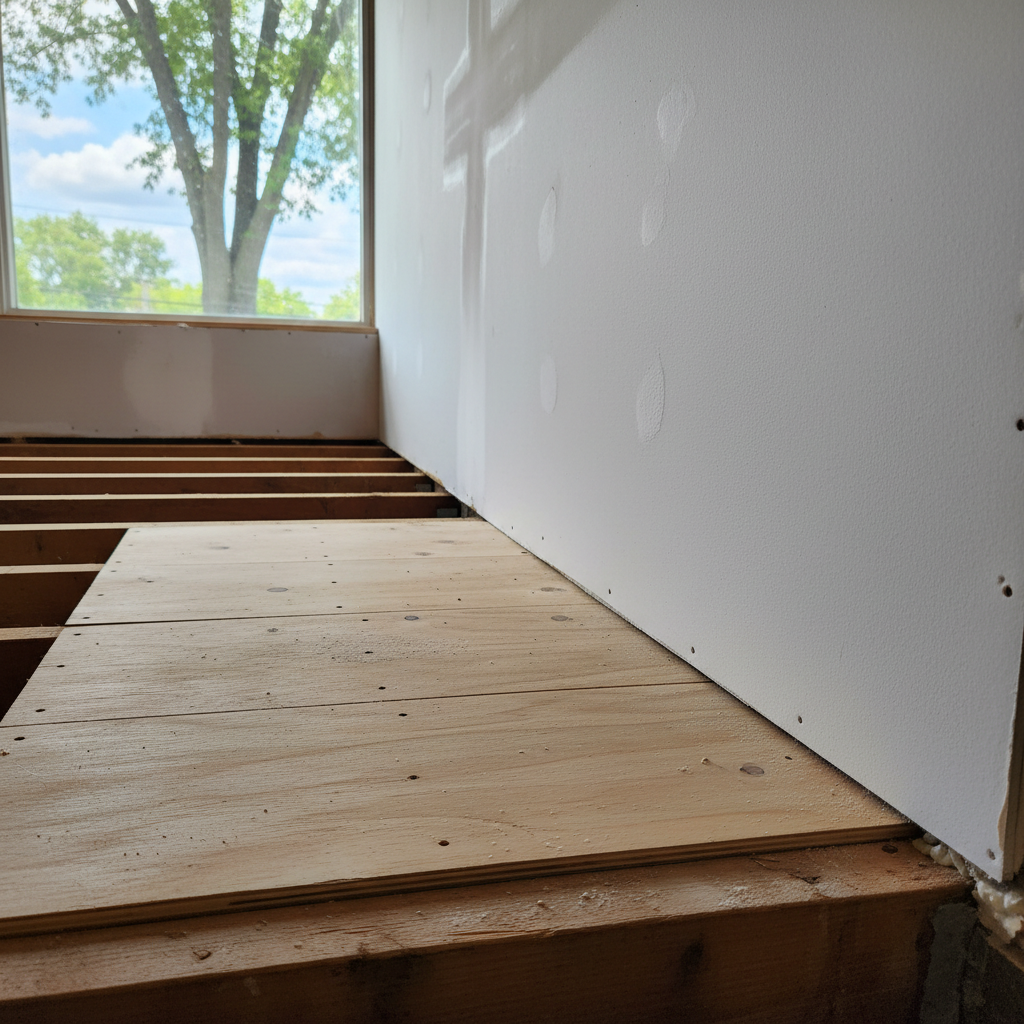
Once the drying and sanitization are complete, you'll move into the rebuilding phase. This might involve replacing drywall, flooring, trim, and repainting. Again, some of this you might be able to DIY if you're handy, but for larger projects, especially if they involve plumbing, electrical, or structural work, you'll want licensed contractors. Don't cut corners here; you want your home to be safe and sound.
Finally, think about prevention. After a flood, it's a good time to assess your home's vulnerabilities. Maybe your sump pump needs a battery backup. Maybe your downspouts aren't directing water far enough away from your foundation. Here in Bellwood, especially with some of the older homes and clay soil that doesn't drain as well, proper grading around your house and a well-maintained drainage system are critical. We've seen it time and again – a little proactive maintenance goes a long way in preventing future headaches.
Dealing with flood damage is stressful, but you don't have to go it alone. Knowing when to call in the cavalry can make all the difference in getting your home back to normal quickly and safely.